01
Virtual Intimacy, Real Communities
Two multimedia stories exploring how romance game fandom shapes intimacy and community beyond the screen.
About the project
From commissioned character performances to fan-organised birthday celebrations, these stories examine how people transform their emotional connections with fictional characters into real-world experiences, relationships and communities.
My role: Story development, reporting, interviews, photography, and video production.
01 One-Day Romance
The 'fantasy date' trend Chinese women are embracing
Summary
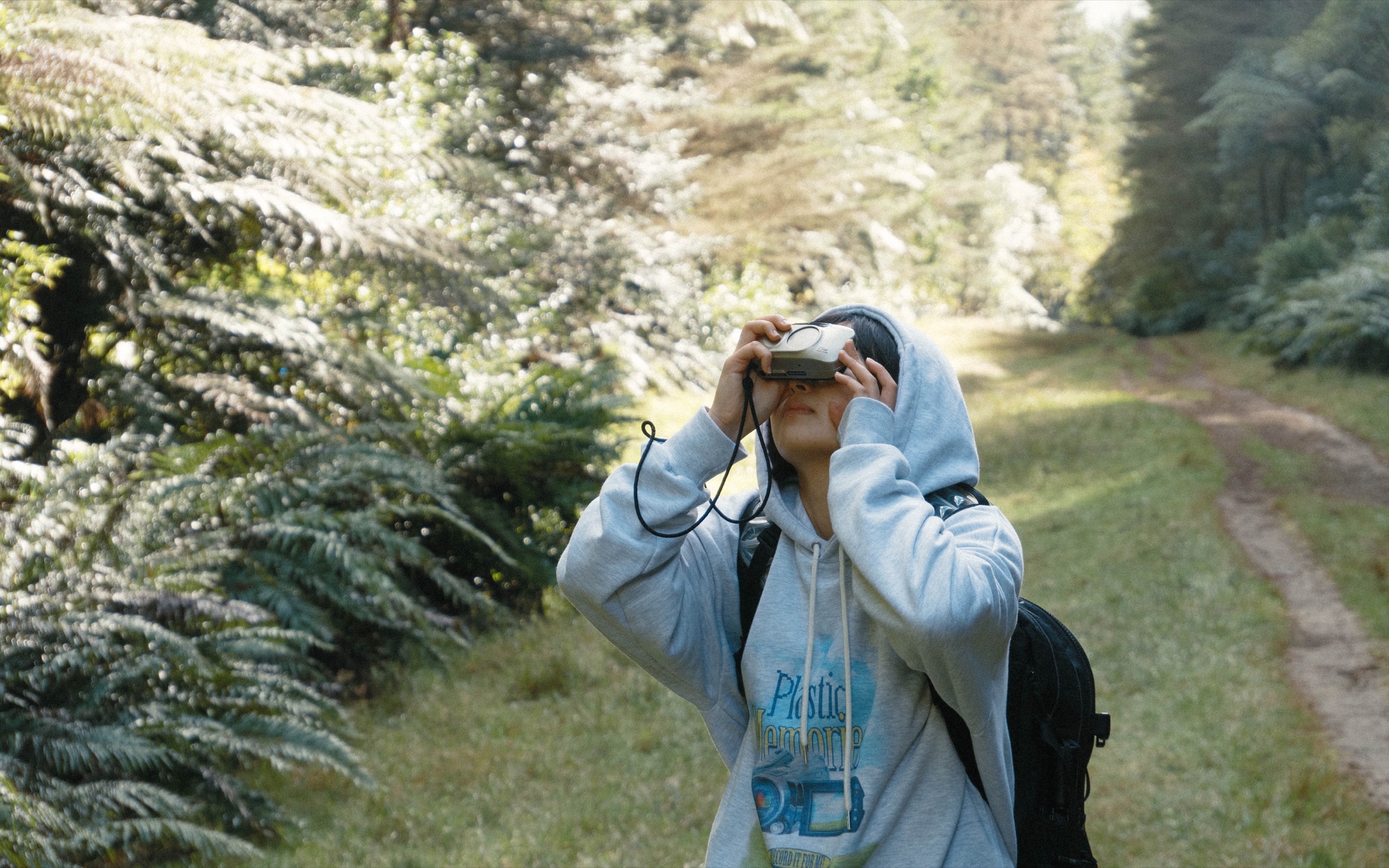
As otome commission culture rapidly grew in 2025, I began following the relationships between players and cosplayers who take on commissioned dates. As an otome game player myself, I was interested in one question: when someone knows the character is fictional, what are they emotionally responding to — the character, the performer, or something in between?
02 He's Not Real, But His Birthday Is
Searching for Xavier: A fictitious birthday is celebrated in real life
Summary
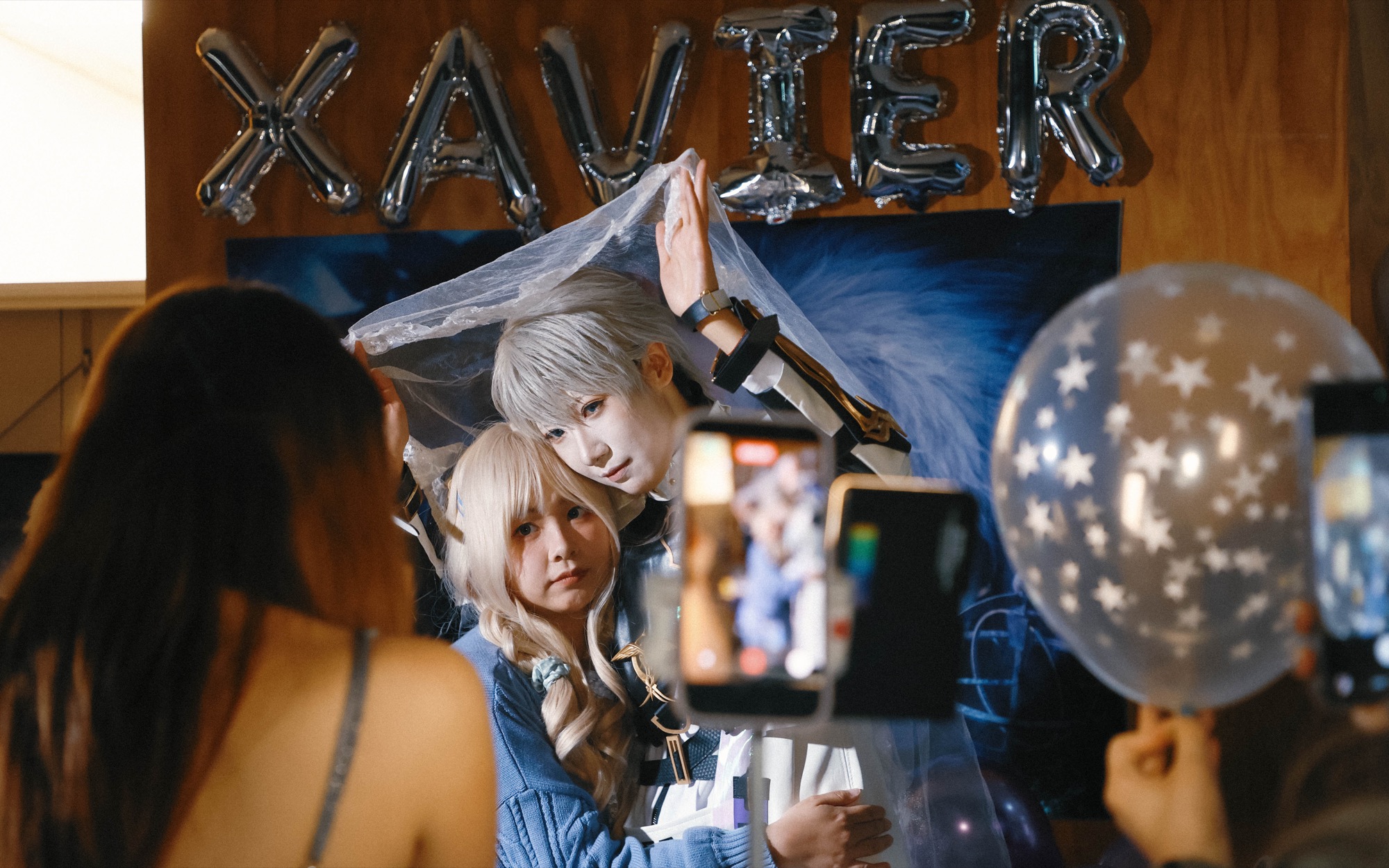
In 2026, I contacted the organiser of a local otome fan club to document a birthday celebration for Xavier, a fictional character from Love and Deepspace.
Most attendees preferred not to show their faces, so filming required careful attention to their privacy. Nevertheless, they welcomed me into the celebration.
I documented fans exchanging handmade gifts and interacting with a cosplayer portraying Xavier, exploring how affection for a fictional character could bring strangers together and create meaningful connections in real life.
Video
Across both stories
Reflections
I began by questioning why affection for fictional romantic characters could lead people to hire performers for dates, and where the boundaries between intimacy, fantasy and commerce might lie.
Through interviews, I recognised something more fundamental: the desire to be seen, heard and valued.
At a character birthday celebration, I watched fans exchange handmade gifts, a cosplayer become captivating through the audience's affection, and a hesitant participant join a group photograph with encouragement. These moments revealed how real human connections can grow around fictional characters.
Yet a contradiction remains. While fans create their own experiences and communities, their devotion may also strengthen the characters' commercial value.
Can the same love that makes a fictional character feel more real also deepen their identity as a commodity?